

When a major storm threatens the coast, boat owners face a fundamental engineering choice. Do you elevate your boat to rigidly fight the elements? Or do you float your boat to move naturally with them?
Many boaters assume that fixed, structural lifts offer the safest refuge. However, evaluating the physics of extreme weather reveals a different reality. Working with natural buoyancy provides a much stronger defense than rigid resistance.
Wind Velocity and the Sail Effect
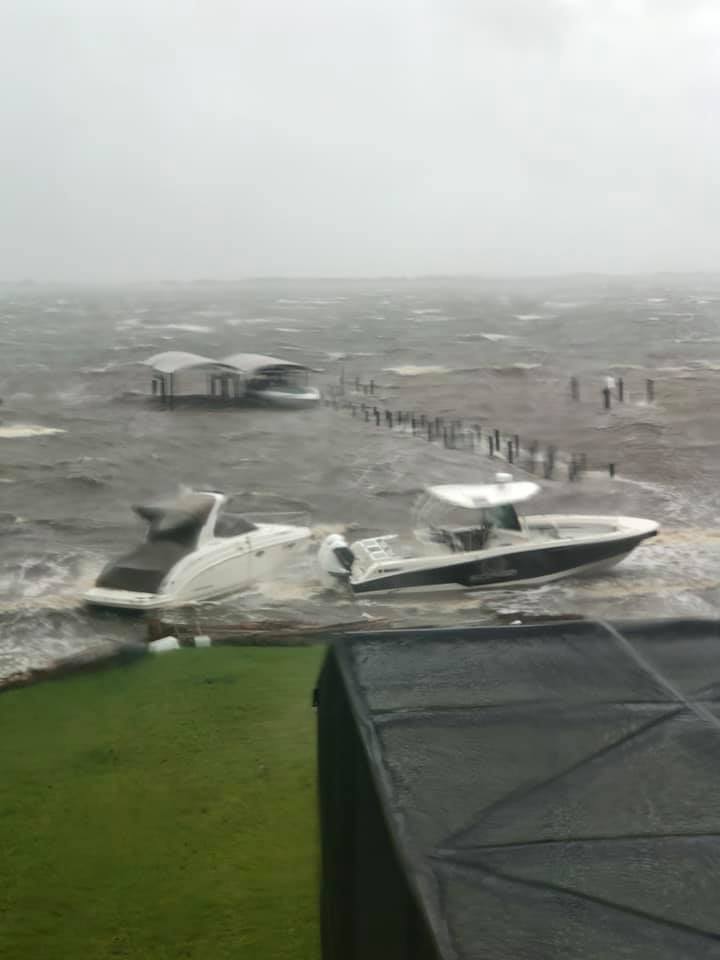
To escape a rising storm surge, a traditional fixed lift forces you to crank your boat as high as possible. This action creates a dangerous profile. It lifts the hull completely out of natural windbreaks like seawalls, docks, and nearby homes.
Cranking the vessel all the way up also raises its center of gravity. This high center of gravity exacerbates the sail effect. It gives the wind massive leverage to rock the boat back and forth. This high-profile sail area creates intense lateral torque. The severe twisting force can vibrate or snap heavy wood pilings right out of the seabed.
Conversely, a premium low-maintenance boat lift keeps the vessel securely at the waterline. This positioning allows the boat to stay tucked in the wind shadow of the land and dock infrastructure. By staying low, you minimize wind resistance. The center of gravity remains exactly where naval architects engineered it to be most stable.
The Problem With Low Profile Fixed Builds
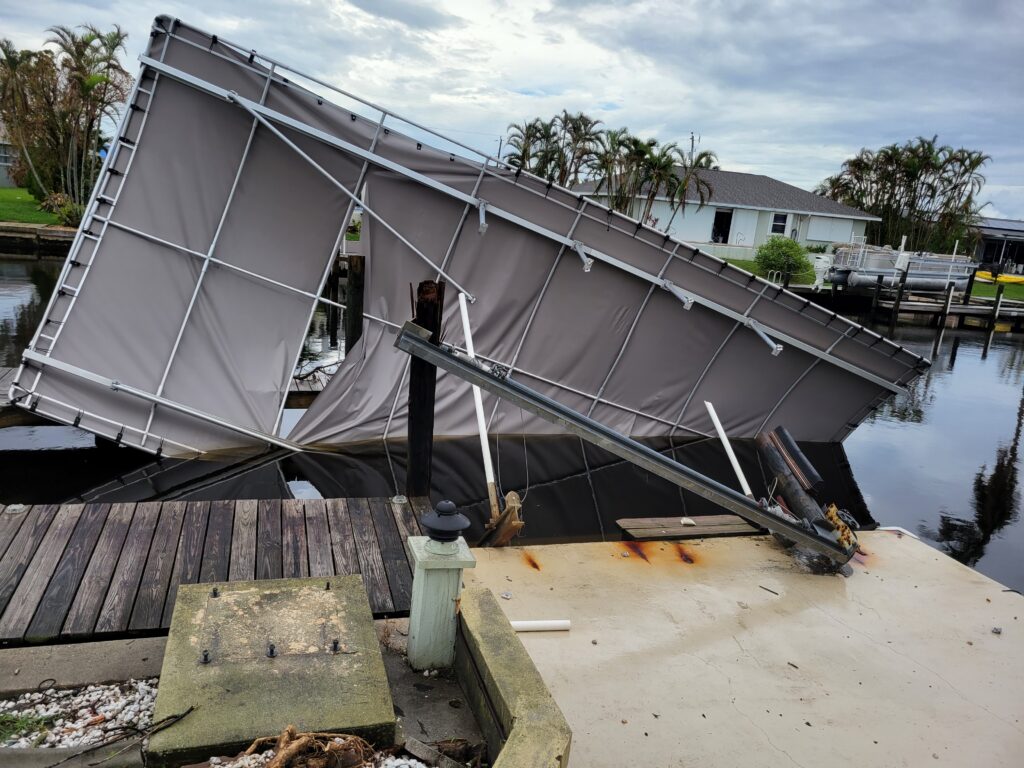
Fixed lifts have a strict physical limit. They can only rise to the top of their structural beams. Compounding this risk, many structural lift manufacturers now heavily market low-profile models. Homeowners often choose these shorter lifts to avoid obstructing scenic water views.
However, this choice significantly reduces your boat’s clearance. When a hurricane surge hits, it easily eats up this minimal space. The rising water lifts the boat right off its bunks. The vessel then floats trapped inside a rigid steel cage. Waves repeatedly slam the hull into top beams and pilings, leading to catastrophic damage.
A buoyant system utilizes a different philosophy. A high-end TideRider floating boat lift acts like an elevator. It rides the storm surge seamlessly because the heavy-duty, rotomolded polyethylene tanks float naturally. As the water rises, the lift moves upward at the exact same rate. Your vertical capacity is limited only by the height of your guide poles.
Managing Torrential Rain Accumulation
Wind and surge are not the only threats during a tropical event. Torrential downpours can quickly plug a boat’s deck drains with debris. When this happens, thousands of pounds of water weight accumulate inside the hull.
On a traditional fixed lift, this deadweight transfers entirely to the overhead cables, pulleys, and gears. This immense stress risks a sudden mechanical collapse. Furthermore, if the storm knocks out the local power grid, a cable lift leaves you completely stranded.
With a free-floating system, excess rainwater weight is a non-issue. The lift simply settles a few inches deeper into the water. The system distributes the weight naturally across the displacement tanks without putting any stress on hardware.
Additionally, these systems do not leave you stranded during power outages. Because of their standard 110V power needs, you can easily run them using a portable generator, a small inverter, or a portable battery backup.
Choosing Smarter Waterfront Protection
When conditions turn ugly, an adaptable defense outperforms rigid engineering. Understanding how your docking infrastructure interacts with extreme physics can save your vessel. Investing in a floating design ensures a lower true cost of ownership and true peace of mind.
If you want to learn more about protecting your vessel with advanced buoyancy engineering, request a free quote from the Tidewater Marine Products team in Stuart, Florida today.