
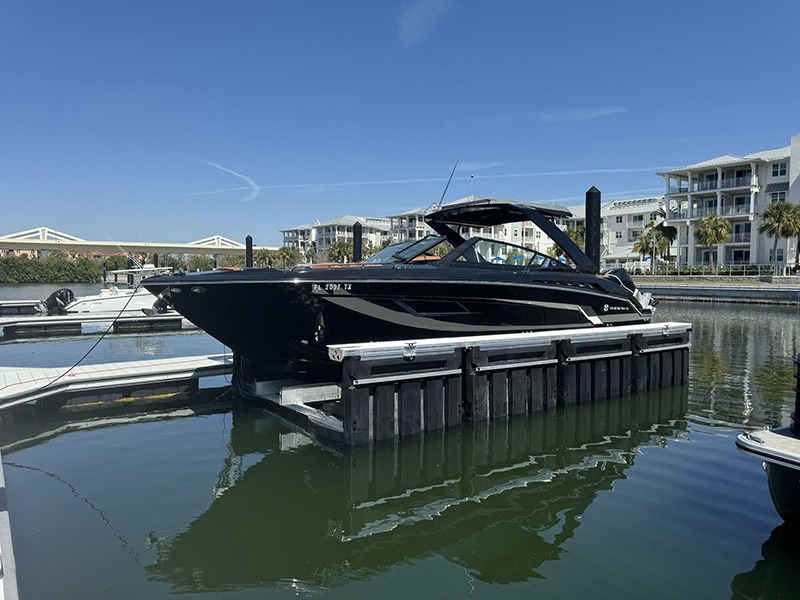
A boat lift usually gets serious attention right after an expensive lesson – hull staining that will not come off, growth building faster than expected, or the daily hassle of boarding and cleaning at water level. A good boat lift buying guide should help you avoid that kind of trial and error. The right lift protects your boat, makes waterfront use easier, and turns routine maintenance into something far less frustrating.
For most owners, the decision is not just about lifting capacity. It is about how you use the boat, how often you want to launch, what your dock setup allows, and how much convenience matters on a normal weekend. If you get those factors right, the lift becomes part of an easier boating routine instead of another piece of equipment you have to work around.
What a boat lift should do for you
A boat lift is not simply storage. It is protection, access, and time savings wrapped into one system. Keeping the hull out of the water helps reduce marine growth, staining, and long exposure to the conditions that age a boat faster than most owners would like. That matters in any market, but especially in saltwater environments where corrosion, buildup, and wear can move quickly.
Just as important, the lift should make the boat easier to enjoy. A setup that simplifies boarding, disembarking, cleaning, and washdown changes how often people actually use their boat. If the process feels easy, owners tend to boat more. If launching and recovery feel awkward or time-consuming, usage often drops off.
Boat lift buying guide: start with your boat, not the brochure
The first step is understanding the real requirements of your vessel. Length and weight matter, but they are only the starting point. Hull shape, beam, engine configuration, and how the boat sits in the water all affect what lift design makes sense.
A lift that works well for one center console may not fit another if the deadrise, chines, or running gear create different support needs. Sterndrives, outboards, stepped hulls, and catamaran-style layouts all bring different considerations. Buyers who focus only on rated capacity can miss the bigger issue, which is whether the lift actually supports the boat correctly and allows clean loading and unloading.
That is why versatility matters. A low-profile floating system that can accommodate a wide range of hull and drive configurations often solves problems that more rigid setups create. It can also make future boat changes less disruptive, which is worth considering if you may upgrade in a few years.
Match the lift to your waterfront setup
Your dock, slip, pilings, and surrounding approach all play a big role in lift selection. The best lift on paper is still the wrong lift if it does not fit the way your property functions.
Some owners need a lift that integrates cleanly into an existing dock without creating difficult access points. Others need better side access for passengers, easier stepping on and off, or a layout that lets them clean the boat without leaning over awkward angles. These details sound minor until you live with them every week.
This is especially relevant in coastal markets where daily use, tide changes, and wet conditions put convenience and safety under a microscope. A good lift should feel natural in the slip and predictable in use. It should not force awkward boarding or make routine tie-up more complicated than it needs to be.
Consider the water conditions you actually face
Every boat owner wants durability, but durability depends on matching materials and design to the environment. Freshwater and saltwater place different demands on marine equipment, and not all lift systems handle long-term exposure equally well.
Corrosion resistance, low-maintenance materials, and hardware suited for marine conditions should be part of the decision from the start, not an afterthought. If your waterfront sees frequent sun exposure, salt spray, changing water levels, and regular use, a lift built with marine-grade materials will generally pay off in fewer headaches over time.
This is where a practical mindset helps. The cheapest-looking path upfront can become the most expensive one if maintenance is constant, parts wear out early, or the system makes the boat harder to use. Owners who want real value usually do better with equipment designed to hold up in the environment where it will actually live.
Why convenience matters more than many buyers expect
The biggest difference between an acceptable lift and a great one is often convenience. Protection matters, but convenience is what shapes day-to-day satisfaction.
If your lift is easy to approach, easy to load, and easy to step on and off, your entire boating routine improves. If it gives you better access for rinsing, detailing, and checking the hull, maintenance becomes simpler and more consistent. Those are not luxury features. They are practical advantages that help protect your investment while making ownership more enjoyable.
A low-profile floating boat lift can be especially appealing here because it supports easier boarding and disembarking without making the boat feel difficult to access at the dock. For many owners, that is a meaningful quality-of-life improvement, especially when family members, guests, or older passengers are part of the routine.
Boat lift buying guide: think about maintenance before you buy
Most buyers ask what maintenance a lift requires, but a better question is how much maintenance you want in your life. Some systems demand more regular adjustment, more hardware attention, or more effort to keep operating at their best. Others are designed to stay functional with less owner involvement.
That difference matters after the sale, when the equipment becomes part of your waterfront routine. A low-maintenance lift helps preserve the value of the boat without adding another chore list to weekends that are supposed to be spent on the water.
This is also where engineering details matter, even if buyers do not want a deep technical lecture. Material quality, straightforward operation, and a design that reduces wear points all contribute to long-term ease of ownership. Good lift design often looks simple from the outside because the complexity has already been solved.
Do not separate mooring and lift planning
Boat owners often treat the lift decision as one purchase and docking hardware as another. In reality, they work together. A lift changes how the boat sits, how you approach the dock, and how you secure the vessel during normal use.
That is why it helps to think beyond the lift itself. Adjustable mooring hardware, clean tie-up points, and accessories that improve dockside organization can make the entire setup more efficient. If you have ever dealt with changing tie-up conditions, different boat positions, or a less-than-ideal piling arrangement, you already know how much small dockside details affect the overall experience.
A well-planned setup should make arrival, securing, boarding, and departure feel more controlled. That is a major part of reducing boating hassle, and it is often overlooked during the buying process.
Questions smart buyers should ask
Before choosing a lift, ask how well it supports your exact hull and drive configuration, how easy it makes boarding and cleaning, and what long-term maintenance looks like in your conditions. Ask whether it is suited for both performance and everyday convenience, not just storage.
You should also ask what happens if your boating habits change. Will the system still serve you well if you use the boat more often, add more passengers to your routine, or move into a larger vessel later on? Flexibility is not always the headline feature, but it can be one of the most valuable.
If you are comparing options, pay attention to whether the conversation centers on your actual use case or stays generic. The best guidance is specific. It should account for the way you dock, the kind of water exposure you deal with, and the kind of ownership experience you want.
What the right choice usually looks like
For most recreational owners, the right lift is the one that protects the boat while making access and upkeep easier, not harder. It should fit the vessel correctly, work with the dock environment, hold up in marine conditions, and reduce the friction that keeps people from enjoying their time on the water.
That is why many buyers are drawn to versatile, low-profile floating systems such as the TideRider. The appeal is not complicated. When a lift can accommodate a wide range of hull and drive configurations while improving boarding, cleaning access, and long-term protection, it aligns with what owners actually care about.
The best buying decision is usually not the most complicated one. It is the one that fits your boat, your waterfront, and your routine well enough that you stop thinking about the equipment and get back to enjoying the boat. That is where a lift proves its value, one easy launch and one less maintenance headache at a time.